
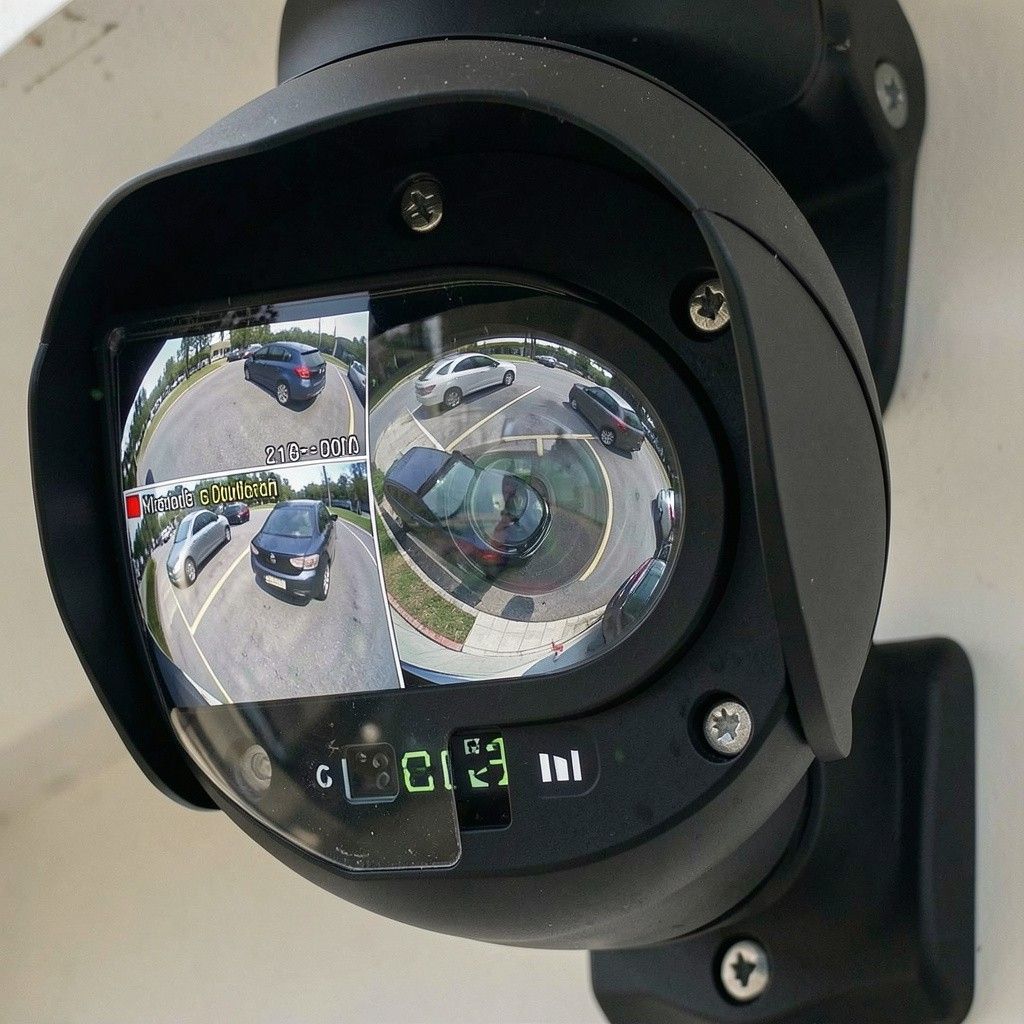
Flock Cameras in Your Neighborhood: What They Do, What Happens If You Damage One, and How to Protect Your Privacy

If you've noticed a small camera perched on a pole near a busy intersection in your town, there's a good chance it's a Flock Safety camera. These devices have popped up across Chicagoland and downstate Illinois over the past few years, and they've sparked a lot of questions — and a lot of frustration — from everyday drivers. Here's what you actually need to know.
What Do Flock Cameras Actually Do?
Flock cameras are automated license plate readers (ALPRs). As cars pass by, the cameras photograph and log the license plate, along with details like the vehicle's make, model, color, and the time and location of the scan. That information gets stored in a searchable database that local police departments — and in some cases, other agencies — can access.
Police departments say the cameras help recover stolen vehicles, locate missing persons, and solve crimes. Critics argue the technology creates a detailed, ongoing record of where people drive, which raises real questions about surveillance and who ultimately gets access to that data.
Don't Vandalize the Cameras — Here's What Can Happen
Frustration with these cameras is understandable, but tampering with or destroying one is not a legal gray area — it's a felony in Illinois.
Earlier this summer, three men in DuPage County were charged after allegedly stealing and damaging five Flock cameras in and around Lisle in a single overnight spree. Each defendant was charged with two counts of theft of government property (a Class 2 felony) and two counts of criminal damage to government-supported property (a Class 3 felony). Even though the charges were non-detainable under Illinois' SAFE-T Act — meaning the men were released pending trial — a felony conviction carries lasting consequences: potential prison time, steep fines, and a permanent criminal record that can affect employment, housing, and more for years to come.
Bottom line: whatever your opinion of these cameras, damaging or removing one is public property destruction, and local prosecutors have shown they're actively pursuing charges.
What You Can Do If You're Concerned About Privacy
You don't have to choose between silent frustration and a felony charge. There are legitimate, effective ways to push back on how this technology is used in your community:
- File a public records (FOIA) request. Illinois residents can request records from their local police department showing how long ALPR data is retained, who it's shared with, and under what policy. Many departments are required to publish transparency reports.
- Show up to local government meetings. Village boards and city councils negotiate and renew Flock contracts, and several Illinois communities have added privacy protections — or rejected contracts altogether — after public pushback.
- Know your rights under Illinois law. State law already restricts ALPR operators from sharing data for immigration or abortion-related enforcement purposes. If you believe your data was misused, that may be a legal issue worth exploring.
- Watch for biometric and privacy litigation. Illinois has some of the strongest privacy protections in the country, and ongoing lawsuits are testing how far those protections extend to license plate data.
- Document and consult, don't confront. If you believe a camera is being misused, unlawfully installed, or improperly shared with an agency it shouldn't be, gather what information you can (photos, location, dates) and talk to an attorney rather than taking matters into your own hands.
Have Questions About Your Rights? CTM Legal Group Can Help
Surveillance technology is evolving faster than most people can keep up with — and the legal landscape around it is evolving right alongside it. Whether you're dealing with a privacy concern, facing a criminal charge, or just want to understand your rights as a driver in Illinois, CTM Legal Group is here to help.
Call CTM Legal Group today to speak with our team about your specific situation. We'll help you understand your options and make sure you're making informed decisions — not reactive ones.
This post is for informational purposes only and does not constitute legal advice. Every situation is different — contact CTM Legal Group directly to discuss the specifics of your case.