
Guide to DUI in Illinois: Penalties, License Suspension, and Your Rights

A DUI arrest in Illinois sets two separate cases in motion at once: a criminal case in court and an administrative license suspension through the Illinois Secretary of State. Many drivers don't realize the second one exists until their license is already suspended. The two cases run on different timelines, follow different rules, and can end with different results. You can win one and lose the other.
This guide explains how Illinois DUI law works, from the traffic stop through sentencing and getting your license back, and answers the questions people ask most often after an arrest.
What Counts as a DUI in Illinois?
Under 625 ILCS 5/11-501, you can be charged with DUI if you drive or are in actual physical control of a vehicle:
- With a blood alcohol concentration (BAC) of 0.08 or higher
- While impaired by alcohol to any degree that makes you incapable of driving safely, even below 0.08
- With 5 nanograms or more of THC per milliliter of whole blood within two hours of driving
- While impaired by any drug, including prescription and over-the-counter medication
Commercial drivers face a lower 0.04 limit, and drivers under 21 face penalties for any trace of alcohol. "Actual physical control" means you can be charged even when the car isn't moving, such as sitting in the driver's seat with the keys.
What Happens During a DUI Arrest
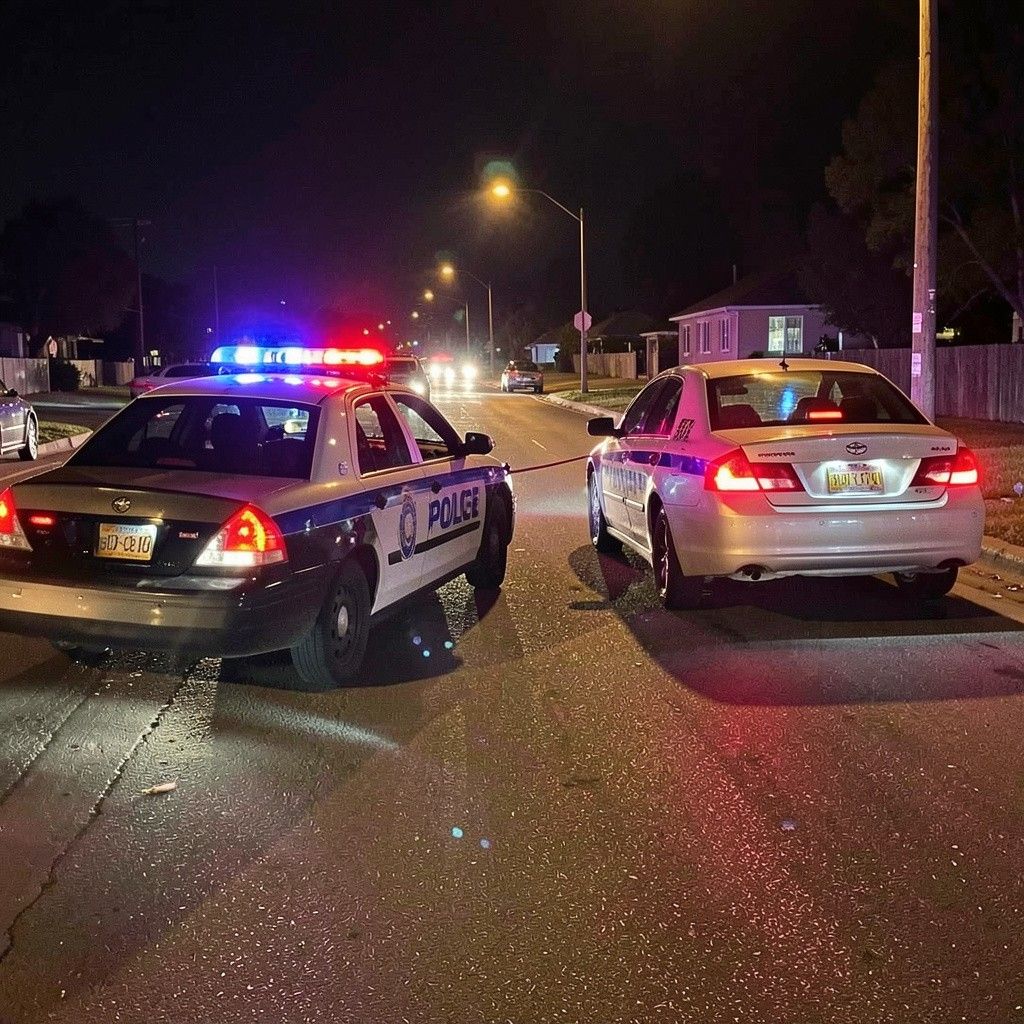
Most DUI cases begin with a traffic stop for speeding, weaving, or an equipment violation. The officer only needs reasonable suspicion of a traffic offense to pull you over. From there, the officer will look for signs of impairment and may ask you to perform field sobriety tests or take a preliminary breath test (PBT) at the roadside.
If you are arrested, you will usually be taken to the station and asked to submit to an evidentiary chemical test of your breath, blood, or urine. This is the test that matters for your license. Under Illinois' implied consent law, the officer must warn you about the consequences of failing or refusing it. If you fail or refuse, the officer takes your physical driver's license and gives you a Notice of Summary Suspension. You will also receive a court date for the criminal charge.
Statutory Summary Suspension: The Clock Starts at Arrest
The statutory summary suspension is a civil penalty imposed by the Secretary of State. It takes effect on the 46th day after your arrest, whether or not you are ever convicted of DUI. For a first offender (no DUI or summary suspension in the prior five years):
- Failed test: 6-month suspension
- Refused test: 12-month suspension
Repeat offenders face 1 year for a failed test and 3 years for a refusal.
You have the right to challenge the suspension by filing a petition to rescind, which must be requested within 90 days of the notice. At that hearing, a judge can consider issues such as whether the officer had grounds to stop and arrest you and whether you received the required warnings. Because the suspension starts automatically, acting quickly matters.
Most first offenders can keep driving during the suspension with a Monitoring Device Driving Permit (MDDP). The permit requires a Breath Alcohol Ignition Interlock Device (BAIID) in your vehicle, paid for by you, and does not allow driving during the first 30 days of the suspension.
Criminal Penalties for DUI in Illinois
- First offense: Class A misdemeanor, up to 364 days in jail and up to $2,500 in fines. A conviction brings a minimum 1-year license revocation.
- Second offense: Mandatory minimum of 5 days in jail or 240 hours of community service, and a minimum 5-year revocation if within 20 years of the first.
- Third offense: Aggravated DUI, a Class 2 felony carrying 3 to 7 years in prison.
Enhanced Penalties for High BAC and Child Passengers
A BAC of 0.16 or higher, twice the legal limit, adds mandatory minimums. On a first offense, that means at least a $500 fine and 100 hours of community service. On a second offense, it means at least 2 days in jail and a $1,250 fine.
Driving under the influence with a child under 16 in the vehicle brings a minimum $1,000 fine and 25 days of community service in a program benefiting children, even on a first offense. Depending on the circumstances, it can also be charged as aggravated DUI, a felony. Other factors that can turn even a first DUI into a felony include causing serious injury or death and driving on a revoked license.
Every person convicted of DUI must also complete a drug and alcohol evaluation and any treatment or education it recommends.
Court Supervision vs. Conviction
For eligible first offenders, the most important question in the criminal case is often whether the outcome is court supervision or a conviction. Supervision is a sentence in which no conviction is entered as long as you complete the court's conditions. Because it is not a conviction, it does not trigger the mandatory license revocation.
Supervision has limits. It is available for DUI only once, some prosecutors rarely agree to it, and it cannot be sealed or expunged. Unless your case ends in a not-guilty verdict or a dismissal, the DUI arrest and its outcome, whether supervision or conviction, will remain on your record and can appear on background checks permanently.
Getting Your License Back
A suspension ends on a set date. Once it does, you pay a reinstatement fee to the Secretary of State, typically $250 for a first DUI-related reinstatement and $500 after that.
A revocation, which follows a DUI conviction, does not end on its own. You must request an administrative hearing with the Secretary of State and prove you are safe to drive. Most first-time revocations go to an informal hearing. Repeat offenders, felony DUIs, and cases involving death or great bodily harm require a formal hearing, where an attorney for the Secretary of State can cross-examine you. The hearing officer may grant full reinstatement or a Restricted Driving Permit (RDP) for work, school, medical care, or household needs. Every revocation also requires an SR-22 certificate proving you carry insurance, usually for three years.
The Real Cost of a DUI
The fine is only a small part of what a DUI costs. Court costs, attorney fees, the evaluation, treatment, ignition interlock installation and monthly fees, reinstatement fees, and years of higher insurance premiums add up quickly. Estimates for a first offense commonly run from about $10,000 to more than $18,000. A DUI can also affect jobs that require driving, professional licenses, and international travel.
Common Defenses to a DUI Charge
A DUI arrest is not a conviction. Depending on the facts, a defense attorney may challenge:
- Whether the officer had a lawful reason to stop your vehicle
- Whether there was probable cause for the arrest
- How field sobriety tests were given and scored
- Whether breath testing equipment was properly maintained and operated
- Whether you received the required implied consent warnings
Even when a case can't be dismissed, a strong defense can lead to reduced charges or a supervision outcome instead of a conviction.
Frequently Asked Questions About Illinois DUI
Will I go to jail for a first DUI in Illinois?
Jail is not mandatory for a standard first DUI, but it is legally possible. Aggravating factors, such as a very high BAC, an accident with injuries, or a child passenger under 16, increase the risk of jail and can turn the charge into a felony.
Can I still drive to work after a DUI arrest?
Most first offenders qualify for a Monitoring Device Driving Permit (MDDP), which allows driving during the suspension in a vehicle equipped with a Breath Alcohol Ignition Interlock Device (BAIID). The MDDP does not allow driving during the first 30 days of the suspension, and the driver pays for the device.
Can I get court supervision for a first DUI?
Court supervision is a possible sentence for eligible first-time offenders and avoids a formal conviction if completed successfully. It is available for DUI only once in a lifetime, and some prosecutors' offices are reluctant to agree to it.
Does court supervision count as a DUI conviction?
No. Successfully completed supervision is not a conviction, so it does not trigger the license revocation that follows a DUI conviction. It still appears on your record, cannot be sealed or expunged, and can be considered if you are charged with DUI again.
Will a DUI stay on my record forever?
In most cases, yes. Illinois does not allow DUI convictions, or even DUI court supervision, to be sealed or expunged. Unless your case ends in a not-guilty verdict or a dismissal, the DUI arrest and its outcome can appear on background checks permanently.
How much does a DUI cost in Illinois?
Estimates for a first offense commonly range from about $10,000 to more than $18,000 once fines, court costs, attorney fees, evaluations, ignition interlock fees, reinstatement fees, and higher insurance premiums are added together.
I have an out-of-state license. Can Illinois affect my driving privileges?
Yes. Illinois creates a driving record for out-of-state drivers and can suspend or revoke your privilege to drive in Illinois. Your home state may also take action against your license based on the Illinois case.
Can I get a DUI for cannabis in Illinois?
Yes. Recreational cannabis is legal, but drivers are presumed impaired if a test within two hours of driving shows 5 nanograms or more of THC per milliliter of whole blood.
Talk to an Attorney Immediately if You Are Arrested for DUI
Because your summary suspension starts automatically, the weeks right after an arrest are the most important time to get legal advice. An attorney can review the stop, the testing procedure, and whether you received proper warnings, file to challenge your suspension, and work toward the best possible outcome in your criminal case. Contact CTM Legal Group to discuss your options.
Disclaimer: This article is for general informational purposes only and does not constitute legal advice. Reading it does not create an attorney-client relationship. DUI laws change and outcomes depend on the facts of each case; consult a licensed Illinois attorney about your specific situation.