
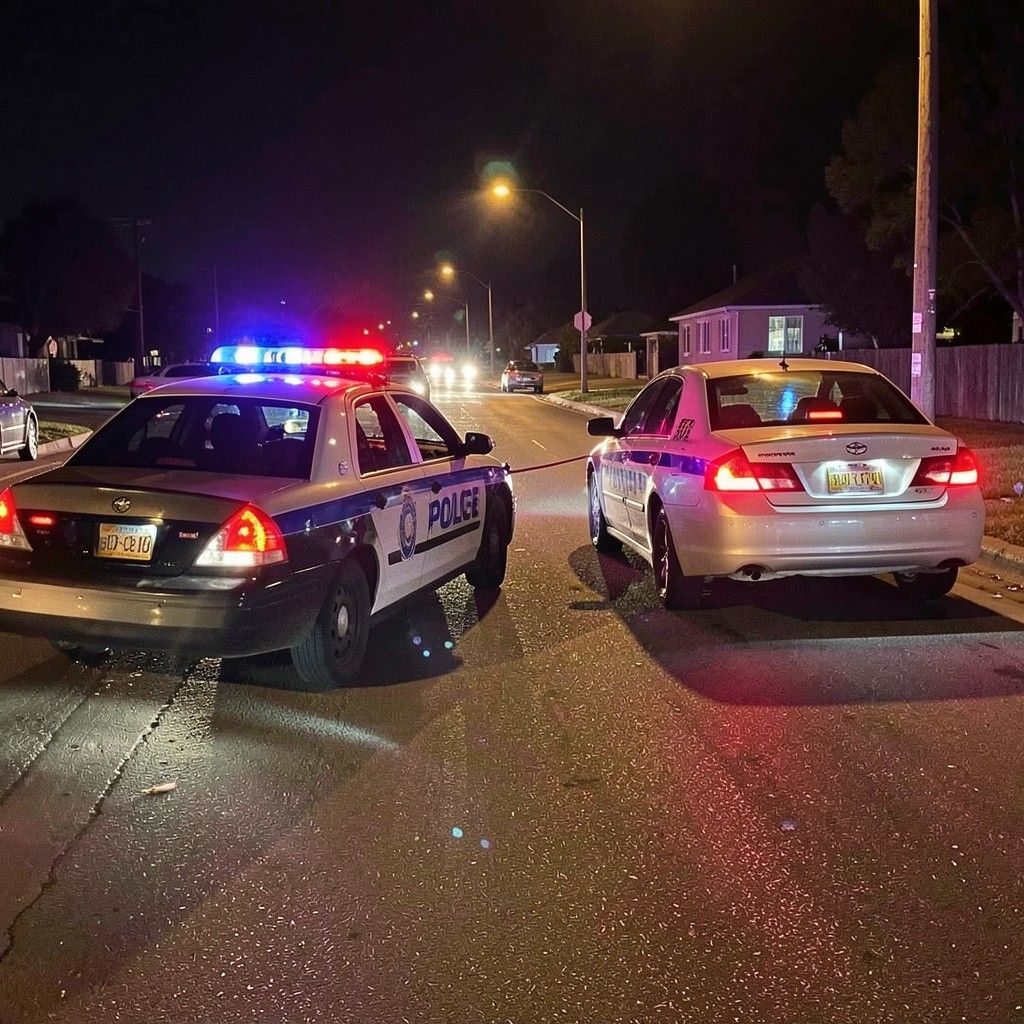
Police Asked Me to Come In for Questioning: What Are My Rights in Illinois?

The call usually sounds friendly. A detective leaves a voicemail or a business card in your door: "We just want to hear your side." "You're not in trouble." "It'll only take a few minutes."
Many people agree on the spot, especially if they believe they've done nothing wrong. That instinct is understandable, and it's also one of the most common ways people end up hurting their own case. Before you schedule anything, here's what you need to know about your rights when police want to question you in Illinois.
Key Takeaways
- A request to "come in and talk" is usually voluntary. You don't have to go.
- Staying silent only protects you if you clearly say you're using that right.
- Talk to a criminal defense attorney before you speak with police, even if you're "just a witness."
Do I Have to Go to the Police Station?
In most cases, no. Unless you are under arrest, have been served with a subpoena, or have been ordered by a court to appear, an invitation to come in for questioning is just that: an invitation. You can politely decline.
Declining doesn't prevent police from arresting you if they already have probable cause. But an invitation to "chat" often means investigators don't have enough evidence yet and are hoping you'll fill in the gaps.
Why "Just Telling My Side" Can Backfire
The goal of a police interview is to gather evidence, not to clear your name. Here's why talking without a lawyer is risky:
- You may not get Miranda warnings. Police only have to read your rights during a custodial interrogation. If you walk in voluntarily and are "free to leave," officers can question you without warnings, and what you say can still be used against you.
- Police can legally use deception. In Illinois, officers may lie to adults about evidence, such as claiming a witness identified you or that your DNA was found. (Illinois banned this tactic for minors under 18 in 2022.)
- Honest mistakes look like lies. Getting a time, date, or detail wrong, even innocently, can be framed as inconsistency and used to attack your credibility.
- "Witness" can quickly become "suspect." Your status can change mid-conversation without anyone telling you.
- Lying is its own crime. Giving police false information to prevent a prosecution can lead to an obstructing justice charge under 720 ILCS 5/31-4. Lying to federal agents is a crime under 18 U.S.C. § 1001. Silence is always safer than an untrue answer.
Staying Silent Isn't Automatic: You Have to Say It
The Fifth Amendment and Article I, Section 10 of the Illinois Constitution protect you from being forced to incriminate yourself. But the U.S. Supreme Court has held that simply staying quiet isn't enough. In Salinas v. Texas (2013) and Berghuis v. Thompkins (2010), the Court ruled that you must clearly and unambiguously invoke your rights.
Keep it simple:
"I'm going to remain silent. I want to speak with a lawyer."
Then stop talking. Don't explain, argue, or try to talk your way out of it.
What to Do If Police Contact You
- Stay calm and polite. Being respectful costs you nothing.
- Get the details. Write down the officer's name, agency, phone number, and any case number.
- Don't answer substantive questions, even ones that seem casual or "off the record."
- If you're in person, ask: "Am I under arrest, or am I free to leave?"
- Don't consent to searches of your phone, car, or home. You can say, "I don't consent to any searches."
- Stay off social media and avoid discussing the matter with friends, family, or anyone involved.
- Call a criminal defense attorney before you agree to any interview.
How a Criminal Defense Attorney Can Help
Hiring a lawyer at this stage isn't an admission of anything. It's a smart decision. An attorney can contact the detective for you, find out whether you're considered a witness or a suspect, and decide whether making any statement would actually help. If an interview makes sense, your lawyer can attend it with you. If charges are coming, your attorney may be able to arrange a voluntary surrender so you aren't arrested at home or at work.
The earlier you involve a lawyer, the more options you have. Once a statement is made, it can't be taken back.
Contacted by Police? Talk to Us First.
If a detective has called you or asked you to come in, contact CTM Legal Group before you say anything. Our criminal defense attorneys can step in, protect your rights, and help you make an informed decision.
Frequently Asked Questions
Will refusing to talk to police make me look guilty?
Can police question me over the phone?
Do police have to read me my Miranda rights?
What if police say I'm only a witness?
Can police lie to me during questioning in Illinois?
What if police show up at my home?
Disclaimer: This article is for general informational purposes only and does not constitute legal advice. Reading this article does not create an attorney-client relationship. Laws change and every situation is different. Please consult a licensed attorney about your specific circumstances.