
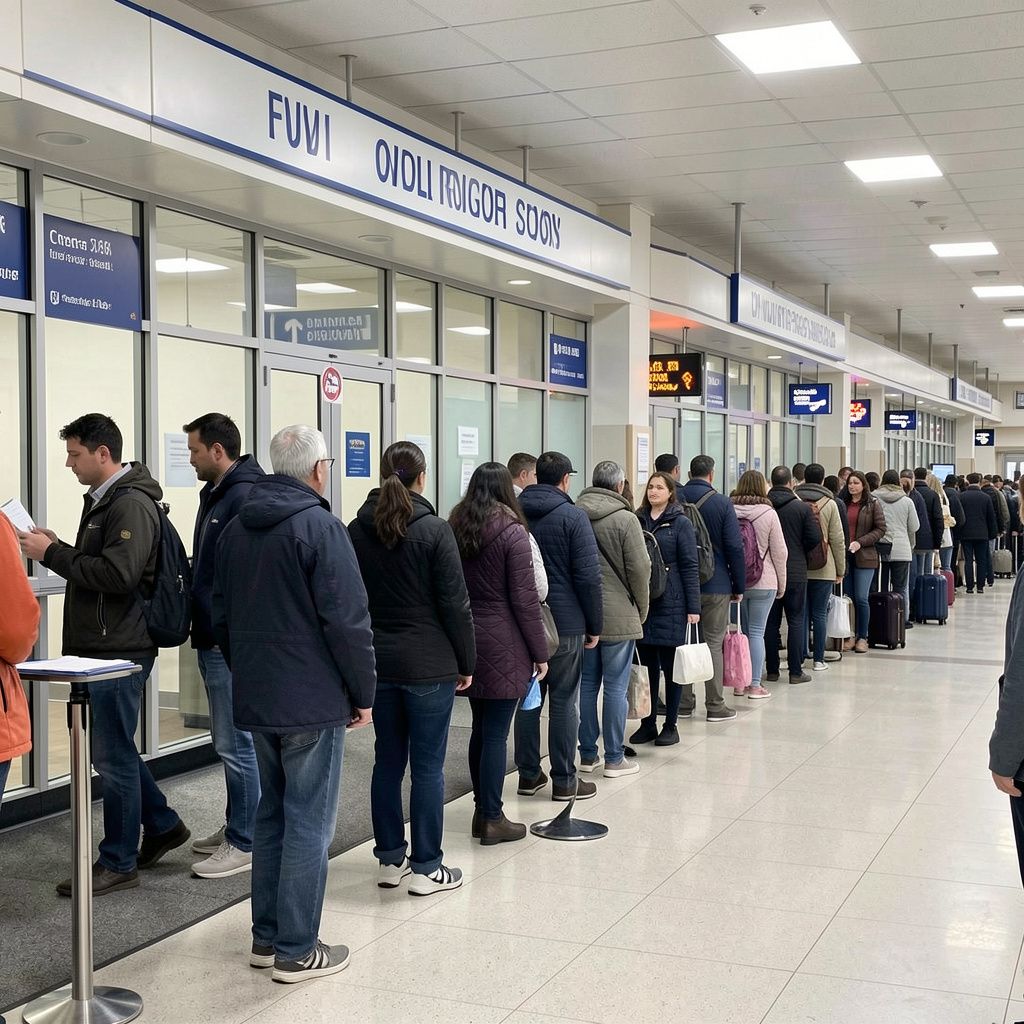
Understanding Asylum in the United States: Eligibility and the Path to Protection

Asylum can be the legal doorway to safety and a permanent future — but the law is technical, the deadlines are unforgiving, and the rules changed sharply in 2025 and 2026. Here is what actually determines who qualifies today.
Every year, thousands of people arrive in the United States seeking safety from persecution in their home countries. For many of them, asylum is the legal doorway to protection, stability, and eventually a permanent future here. This guide breaks down the basics: what asylum is, who is eligible, and what the process looks like today.
If you or a loved one is thinking about applying, use this as a starting point, and reach out to our qualified asylum attorneys for an assessment and to review your case.
What Is Asylum?
Asylum is a form of legal protection for people who are already in the United States (or arriving at a U.S. border) and who cannot safely return home because they fear persecution. It is grounded in both U.S. law (primarily Section 208 of the Immigration and Nationality Act, or INA) and in international treaty obligations the United States has agreed to honor.
People sometimes confuse asylum with refugee status. The two share the same underlying standard, but they differ in one key way: a refugee applies for protection from outside the United States and is processed abroad, while an asylum seeker requests protection from inside the country or at a port of entry.
A grant of asylum is significant. Once granted, an asylee can live and work in the United States lawfully, may petition to bring certain immediate family members, and can generally apply for a green card (lawful permanent residence) after one year and, later, for U.S. citizenship.
The Core Eligibility Standard
To qualify for asylum, an applicant must show three things working together:
1. Persecution, past, feared, or both. You must have suffered persecution in the past, or have a genuine fear of suffering it in the future. Persecution means serious harm, such as threats to life or freedom, violence, torture, prolonged detention, or other grave mistreatment. Ordinary discrimination, general hardship, or a difficult economic situation, on their own, usually do not meet this bar.
2. A "well-founded fear." Your fear of future persecution must be both genuinely held and objectively reasonable, meaning something a reasonable person in your situation would also fear. You do not have to prove the harm is more likely than not; even a significant possibility can be enough. But you do have to support your fear with credible, consistent testimony and, where possible, corroborating evidence.
3. A connection to a protected ground. This is the heart of an asylum claim. The persecution you fear must be because of one of five protected grounds. Random crime or generalized violence, however terrifying, generally will not qualify unless you can link it to one of these grounds. Lawyers call this required connection the "nexus."
The Five Protected Grounds
U.S. law recognizes persecution on account of five specific characteristics:
Importantly, the persecutor can be the government itself, or it can be a private group or individual that the government is unable or unwilling to control.
Affirmative vs. Defensive Asylum
There are two paths to seeking asylum, and which one applies to you shapes the entire process:
- Affirmative asylum is for people who are not in removal (deportation) proceedings. You proactively file Form I-589 with U.S. Citizenship and Immigration Services (USCIS) and, traditionally, attend an interview with an asylum officer. Note that a July 2026 Department of Homeland Security interim final rule now allows USCIS to refer affirmative applications straight to immigration court without conducting an interview first.
- Defensive asylum is raised as a defense against removal, before an immigration judge in the Executive Office for Immigration Review (EOIR). This often applies to people placed in proceedings after an encounter with immigration authorities.
Both routes use the same eligibility standard, but the procedures, timelines, and strategy differ considerably.
The One-Year Filing Deadline
This is one of the most important, and most frequently missed, rules in all of asylum law. In general, you must file your asylum application within one year of your most recent arrival in the United States. Miss it, and you may be permanently barred from asylum even if your underlying claim is strong.
The law recognizes two narrow exceptions:
- Changed circumstances that materially affect your eligibility — for example, worsening conditions in your home country, or a personal change (such as a religious conversion or coming out) that creates new danger.
- Extraordinary circumstances that explain the delay, such as serious illness, legal disability, or ineffective assistance of counsel.
These exceptions are applied strictly, and the burden is on the applicant to prove them. If you are approaching or past the one-year mark, schedule a consultation to assess your options without delay rather than assuming the option is no longer available.
Bars That Can Disqualify an Applicant
Even a person who otherwise meets the definition can be barred from asylum. Common bars include having ordered or participated in the persecution of others; being convicted of a particularly serious crime; posing a security risk; certain terrorism-related grounds; and firm resettlement, which means having already been offered permanent status in another country before coming to the United States. Some criminal issues can also affect related benefits like work authorization.
What Has Changed in 2025–2026
The asylum system looks meaningfully different than it did just a couple of years ago. If you are relying on older information, please be careful. Recent developments include:
- New fees
Legislation signed in July 2025 created new asylum-related fees, applied by USCIS from late 2025 — including a fee to file Form I-589 and an annual fee for each year a case remains pending. A DHS rule effective May 2026 spells out consequences, including possible rejection, for applicants who do not pay on time.
- Faster, stricter processing
Border and credible-fear timelines have compressed, leaving far less time to gather evidence or consult counsel. Under a 2026 rule, USCIS may refer certain affirmative applications to an immigration judge without the traditional in-person interview, particularly where the record suggests a deadline problem or another bar.
- Work authorization pressure
Applicants generally may apply for a work permit (Form I-765, category (c)(8)) after a 150-day waiting period following their filing. A separate DHS proposal published in early 2026 would tighten eligibility for these permits. Rules here are shifting, so current guidance is essential.
Because these policies are evolving quickly, the single most valuable thing you can do is confirm the current rules for your situation before you act.
If Asylum Isn't Available: Related Protections
Applicants who miss the one-year deadline or fall under a bar are not always without options. Withholding of removal and protection under the Convention Against Torture (CAT) have no one-year filing deadline. They carry a higher standard of proof and offer narrower benefits than asylum (no path to a green card, for instance), but they can prevent someone from being returned to danger. An attorney can assess whether these alternatives fit your circumstances.
FAQFrequently Asked Questions
Who is eligible for asylum in the United States?
What are the five protected grounds for asylum?
What is the one-year asylum filing deadline?
What is the difference between affirmative and defensive asylum?
Can I work while my asylum case is pending?
What happens if I miss the asylum deadline?
How CTM Legal Group can help
Asylum is one of the highest-stakes areas of immigration law — a missed deadline or a poorly framed claim can be permanent. From our office in Chicago, our attorneys help clients throughout Illinois, across the United States, and around the world evaluate eligibility, preserve their claim, and present their case before USCIS or in immigration court. Our immigration team includes Spanish-speaking staff, and we're glad to assist you in English or Spanish. Se habla español.
Schedule a consultation →This article is provided for general informational purposes only and does not constitute legal advice, nor does it create an attorney-client relationship. Immigration law changes frequently, and the rules that apply to your case depend on your specific facts. Please consult a qualified immigration attorney before making any decisions. Attorney advertising.