
Can You Be Arrested for Posting ICE Locations Online? What You Need to Know

If you've seen Immigration and Customs Enforcement (ICE) agents in your neighborhood and wondered whether you can legally share that information online, you're not alone. This question has become increasingly urgent as communities across the country grapple with heightened immigration enforcement—and as federal authorities have begun issuing stern warnings about the consequences of posting ICE locations.
The short answer? It's complicated. While you have strong First Amendment protections to record and report on federal law enforcement in public spaces, there's a critical legal line that, if crossed, could result in serious federal criminal charges.
Your Constitutional Right to Record ICE Agents
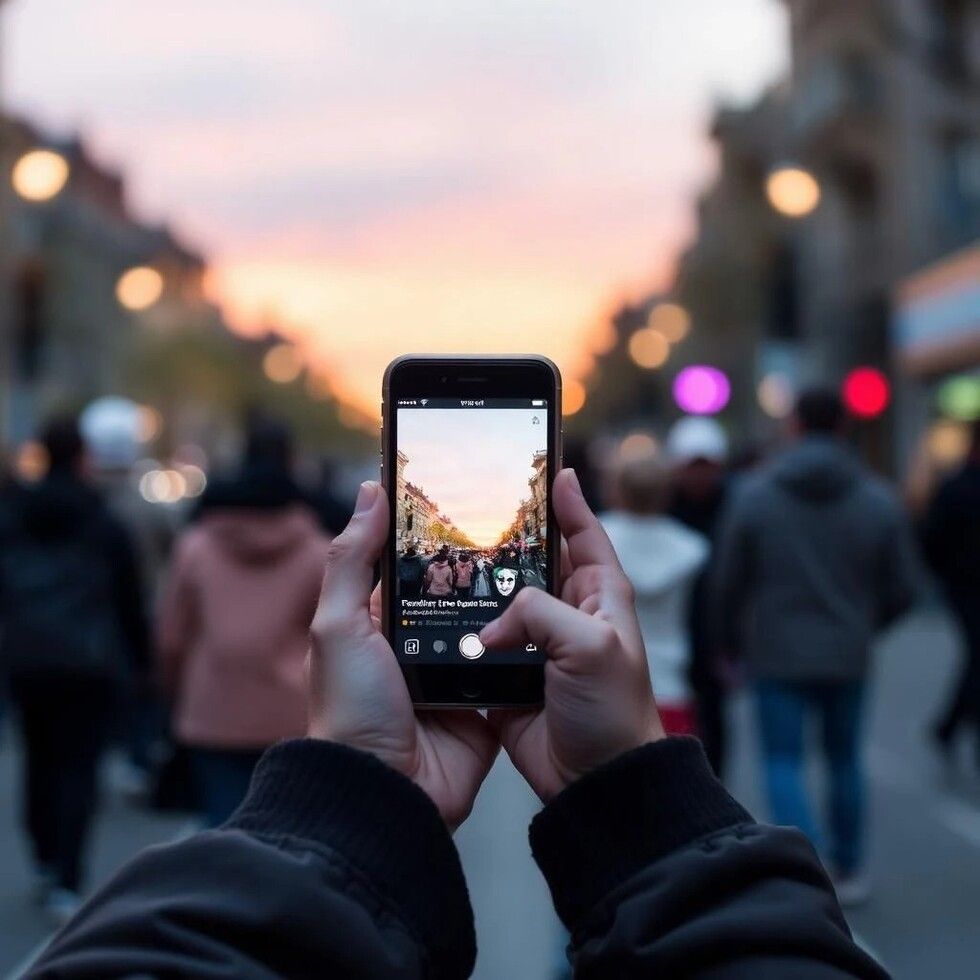
Let's start with the good news: You have a constitutional right to record ICE agents while they're performing their duties in public. This isn't a gray area—seven federal circuit courts (the 1st, 3rd, 5th, 7th, 9th, 10th, and 11th) have all confirmed that the First Amendment protects your right to film police and federal agents in public spaces.
This protection exists regardless of your immigration status, and it serves a vital democratic purpose: holding government officials accountable for their actions.
Why DHS Says It's "Illegal" (And Why Courts Disagree)
Despite this legal consensus, the Department of Homeland Security has publicly claimed that "videotaping ICE law enforcement and posting photos and videos of them online is doxing our agents." Some DHS officials have even equated filming agents with "violence."
Here's the reality: Federal courts have consistently rejected this characterization. Recording a federal agent performing their public duties is considered "fully protected speech." The fear that someone might misuse this information doesn't override the obvious public interest in government accountability.
So why does DHS keep making these claims? It's a deterrence strategy designed to make you think twice before filming—to create what lawyers call a "chilling effect" on your constitutional rights.
Where the Legal Line Gets Dangerous
While you have the right to observe and record, that right isn't unlimited. Understanding where protected speech ends and criminal conduct begins could be the difference between exercising your rights and facing federal prosecution.
The Real Crime: Targeting Agents' Private Lives
A recent federal case from Los Angeles illustrates exactly where the line is drawn. Three women were indicted on felony charges after they:
- Followed an ICE agent from a public location (the Civic Center) to his home
- Livestreamed the pursuit and gave viewers directions
- Posted the agent's home address on Instagram
- Shouted to neighbors that an ICE agent lived there
This is the conduct that gets you arrested. The crime wasn't filming the agent at work in public—it was the intentional transition from observing public operations to targeting the agent's private life with the intent to harass or intimidate.
Physical Interference Will Get You Prosecuted
Even at a public operation, you can cross into criminal territory by:
- Getting too close to officers during an operation
- Refusing to back up when given a reasonable order
- Physically obstructing an agent's movements
- Providing false information to mislead enforcement efforts
Federal law (18 U.S.C. § 111) makes it a crime to assault, resist, or impede federal officers—but it requires proof of a "forcible act." Simply posting "ICE vehicle observed at Main Street and 5th" doesn't come close to meeting this standard.
The Harboring Question: When Does Information Become Conspiracy?
Here's where many people get nervous: Can posting ICE locations online be considered conspiracy to harbor undocumented immigrants?
The legal answer requires proving specific intent. For prosecutors to charge you with conspiracy to harbor (which carries up to 10 years in prison), they must prove:
- You entered into an agreement to violate immigration law
- You had the specific intent to coordinate hiding or transporting a known targeted individual
- An overt act was taken in furtherance of that agreement
Posting general location alerts for community awareness is legally distinct from coordinating the evasion of specific enforcement targets. The key is demonstrating that your purpose is public safety awareness, not facilitating illegal evasion.
The Platform Problem: When Private Companies Restrict Your Rights
Even if you're on solid constitutional ground, there's another hurdle: private social media platforms aren't bound by the First Amendment.
Reddit's content policy explicitly prohibits using their platform to "track, alert, monitor, or investigate sensitive events (for example, protests or rallies) or sensitive groups or organizations." YouTube and Meta have similar policies.
This means your constitutionally protected speech can still get you banned from social media platforms. Even worse, federal authorities have successfully pressured Apple and Google to remove ICE-tracking apps from their app stores—an end-run around your First Amendment rights that's proven much more effective than prosecuting individual posters.
Practical Guidelines: How to Protect Yourself Legally
If you're going to document or report ICE activity, follow these critical guidelines:
While Recording:
- Stay at a safe distance and comply with reasonable orders to back up
- Don't physically interfere with the operation in any way
- Avoid making allegations about the detained person's legal status on camera
- Secure your device with a strong password (not biometric unlock)
- Know you can refuse to unlock your phone without a warrant
When Posting:
- Verify information before sharing: Include timestamps, specific locations, vehicle descriptions, and officer details
- Blur identifying details of detained individuals to prevent facial recognition tracking
- Never post private information about agents—no home addresses, no family details, no license plates of personal vehicles
- Focus exclusively on public operations in public spaces
- Avoid language suggesting coordination of evasion or harboring
The Misinformation Problem
One final consideration: unverified reports cause real harm. False alarms can create community chaos, cause vulnerable workers to miss employment unnecessarily, and erode trust in legitimate alert networks. If you're going to share information, make sure it's accurate.
Common Questions We Hear
"Can I be arrested just for posting a location?"
Not for posting verified information about public operations in public spaces. But if prosecutors believe your post was part of a conspiracy to obstruct justice or harbor someone, or if you transition to targeting private information, you're at serious risk.
"Is there a safe app I can use?"
Be aware that ICE-tracking apps have been removed from major app stores following government pressure. Any platform you use may be subject to subpoenas for your subscriber information and metadata, even if your messages are encrypted.
"What if I see ICE at my child's school?"
You have every right to document this. Recent policy changes removed protections for "sensitive locations" like schools and hospitals, making community vigilance more important than ever. Just follow the legal guidelines above.
The Bottom Line
The constitutional right to record and report on ICE operations is real and legally robust—but the margin for error is razor-thin. Stay in public spaces, focus on public operations, never target private lives, and verify everything before you post.
The tension between government accountability and federal enforcement isn't going away. Understanding where the legal lines are drawn is your best protection.
LEGAL DISCLAIMER: This blog post is for informational purposes only and does not constitute legal advice. Do not rely on this information for legal decisions. CTM Legal Group is not your attorney unless we have a signed, written retainer agreement in place. For specific legal advice regarding your situation, please consult with a qualified attorney.